What Size Tires Fit After a Lift Kit?
Understand tire sizing, clearance, and proper fitment for your build.
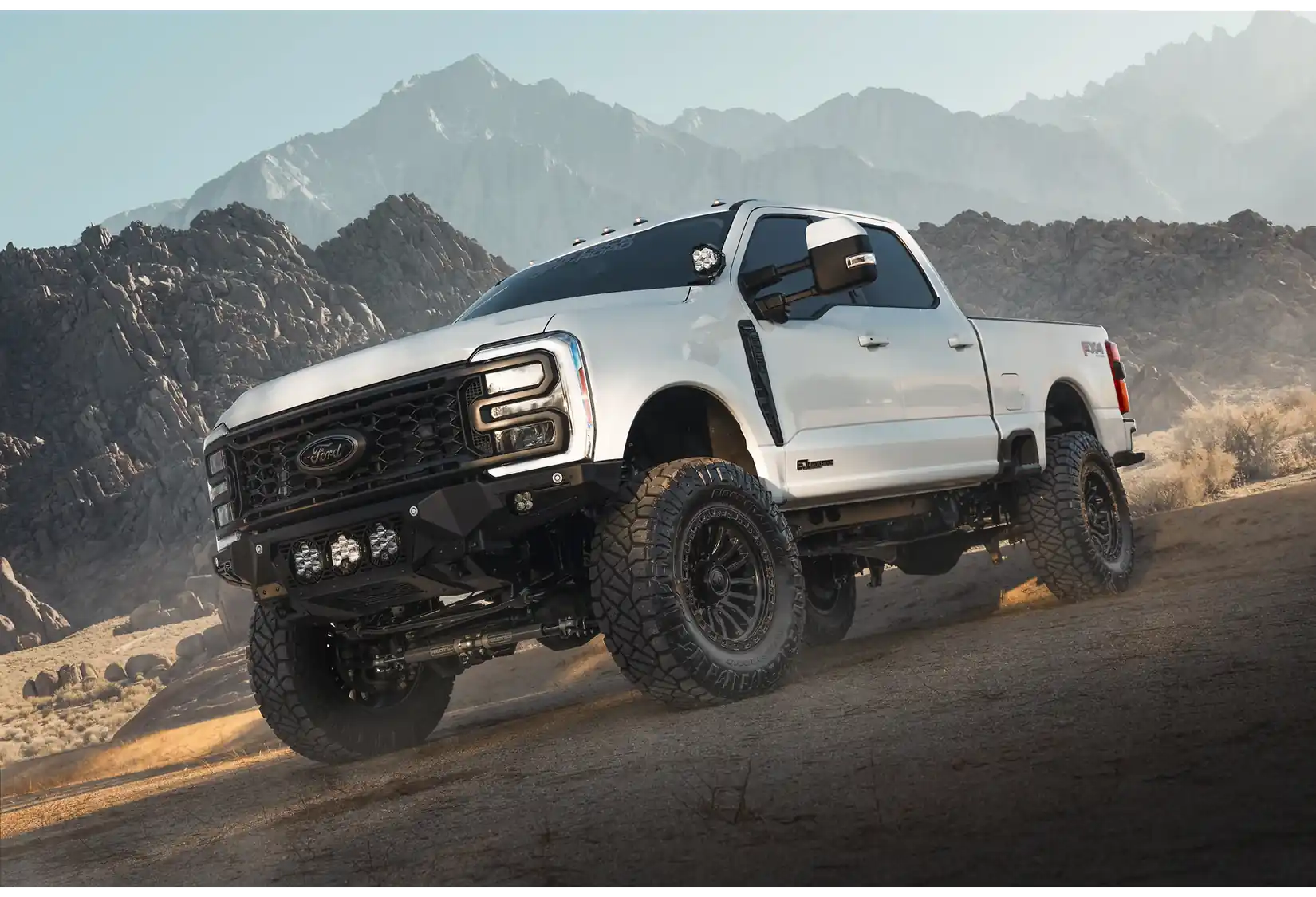
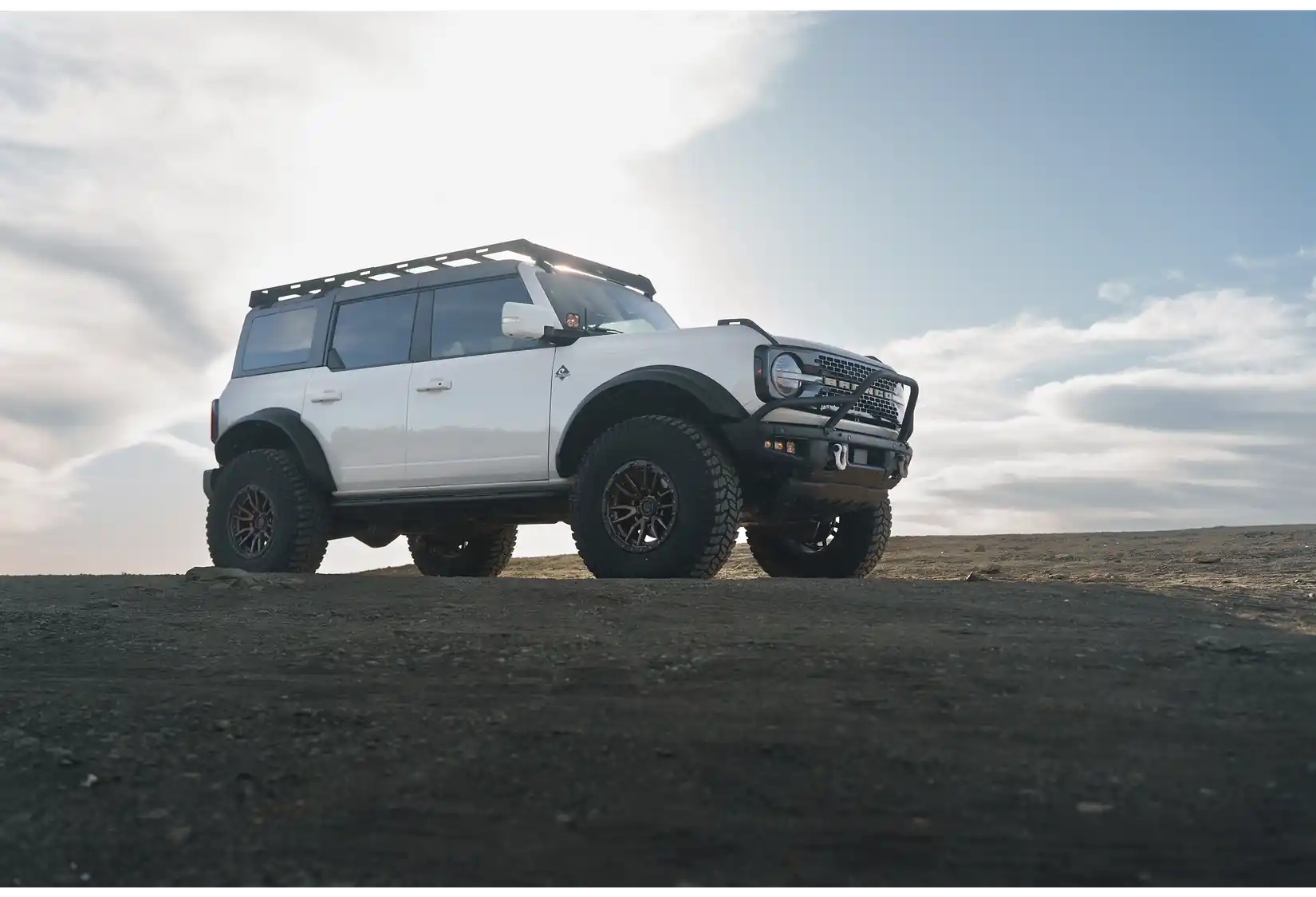
Tire Size Depends on More Than Lift Height
A bigger lift doesn't automatically mean bigger tires will clear correctly — and this is where a lot of builds go wrong.
The right tire size for your build depends on your lift height, wheel offset, fender clearance, and sometimes trimming. Getting any one of these wrong leads to rubbing, uneven wear, and potential damage on Colorado's rough terrain.
- ✓Lift height sets the baseline but isn't the only factor
- ✓Wheel offset and backspacing determine actual clearance
- ✓Some setups require minor trimming for full lock clearance
- ✓Alignment must be done after every tire size change
General Tire Fitment Guide
These are general ranges. Exact fitment depends on your specific vehicle, trim, and wheel offset — we confirm this before every build.
What People Get Wrong
These are the most common tire fitment mistakes we fix — and why getting it right the first time matters.
Serving Colorado Truck & Jeep Owners
Truckwerks confirms correct tire fitment for every build before ordering. No guessing — we get it right the first time.
Why Proper Fitment Matters
Tire fitment isn't just about looks. On Colorado terrain, wrong fitment creates real problems.
Confirmed Before Ordering
We verify exact fitment for your specific vehicle, trim, and wheel before anything is ordered. No surprises when it comes time to install.
Wheel Offset Expertise
Correct offset is critical. We spec wheels and tires together to ensure the combination clears suspension, fenders, and handles properly.
Full Alignment Included
Every tire install includes a full wheel alignment. Your truck will track straight and your tires will wear evenly from day one.
Trail-Tested Choices
We recommend tire sizes based on how Colorado trucks actually get used — not what looks aggressive in a photo.
No Rubbing, No Issues
We address clearance before installation, not after. If trimming is needed, we handle it correctly as part of the build.
Colorado Owned & Operated
Our tire recommendations come from real experience on Colorado terrain — not a generic online tire calculator.
Tire Fitment Questions
Common questions about tire sizing and clearance after a lift kit.
Get the Fitment Right the First Time
We build setups that clear, align, and perform correctly. No guesswork, no rubbing, no surprises.